


Why Pole Dancers Wear Tiny Shorts
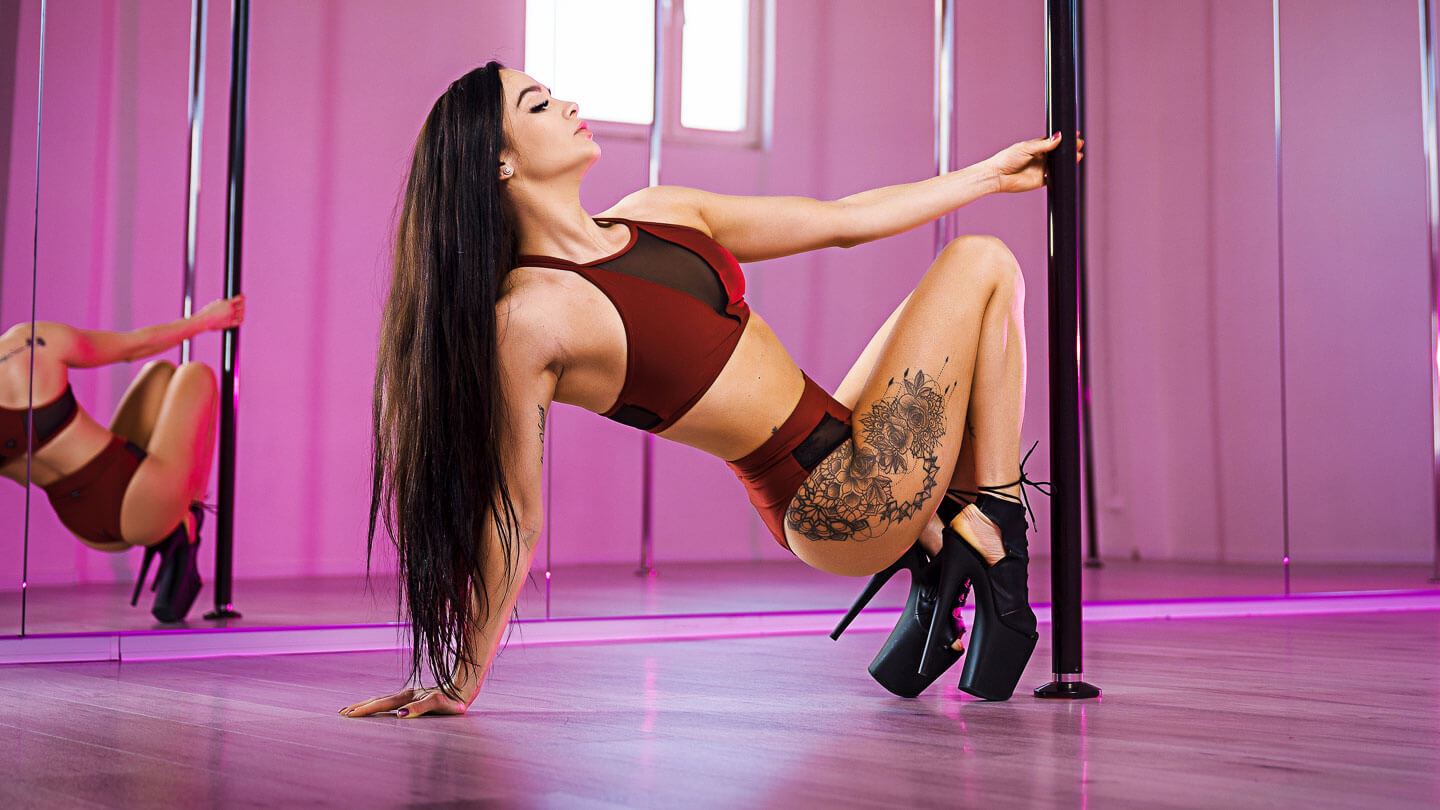
At your first pole class, the shorts may look surprisingly small. There is a practical reason for the cut: many pole moves use contact between your skin and the pole. Shorter legs leave more of the upper thighs available for that contact.
Skin contact helps you hold the pole
Your hands do not do all the work. Depending on the movement, your thighs, knee crease, hips or side of the torso may also need to touch the pole. Ordinary leggings or longer shorts can cover those areas, putting fabric between the skin and the pole.
That is why an outfit that feels comfortable for a warm-up may need adjusting for the technique part of class. Ask your instructor which contact points the move uses, rather than assuming that less clothing is always better.
Short legs and back coverage are different choices
You can leave your upper thighs free while choosing more or less coverage across the bum. A cheeky back cut is a style preference, not a measure of skill, and a higher waistband does not tell you how much the back covers.
For example, Mandy shorts have a mid-rise waist and more back coverage than Hot Pants. Both are options to compare when you want a mid-rise fit. If you prefer a high waist and a scrunch detail, look at Lola. Choose the cut that feels comfortable during your own movements.
Your outfit is only one part of grip
If you keep slipping, pause and ask your instructor to check your position and contact points. Skin condition, sweat, the pole surface and studio conditions can also affect how a hold feels. Smaller shorts cannot make up for a movement you are not ready to practise.
Our beginner’s guide to pole grip explains these factors in more detail.
When can you wear leggings?
Leggings can work for warm-ups, conditioning and some floorwork sessions. For moves requiring thigh contact on a conventional pole, shorts are usually more practical. Specialist grip leggings and coated poles behave differently, so follow your studio’s guidance about the equipment and clothing used in class.
Start with the coverage you feel good in
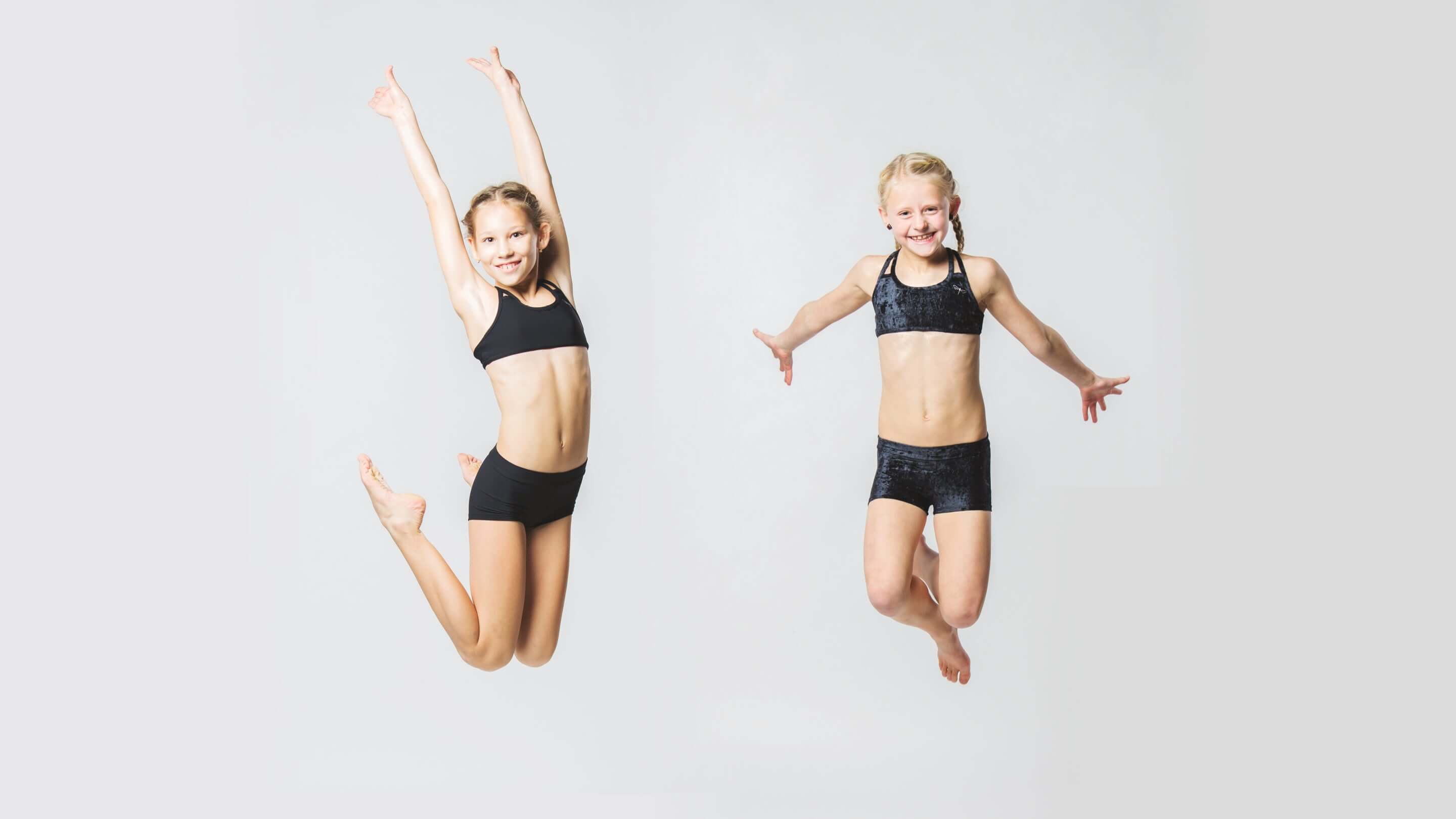
You do not have to arrive in the tiniest shorts in the room. Try a fitted pair that leaves the required contact points free, then check the waistband, leg openings and crotch coverage with a squat and knee lift. You should be able to move without repeatedly pulling the shorts into place.
Use our guide to choosing pole dance shorts to compare cuts, or explore the Dragonfly shorts collection when you know what you prefer.


Leave a comment